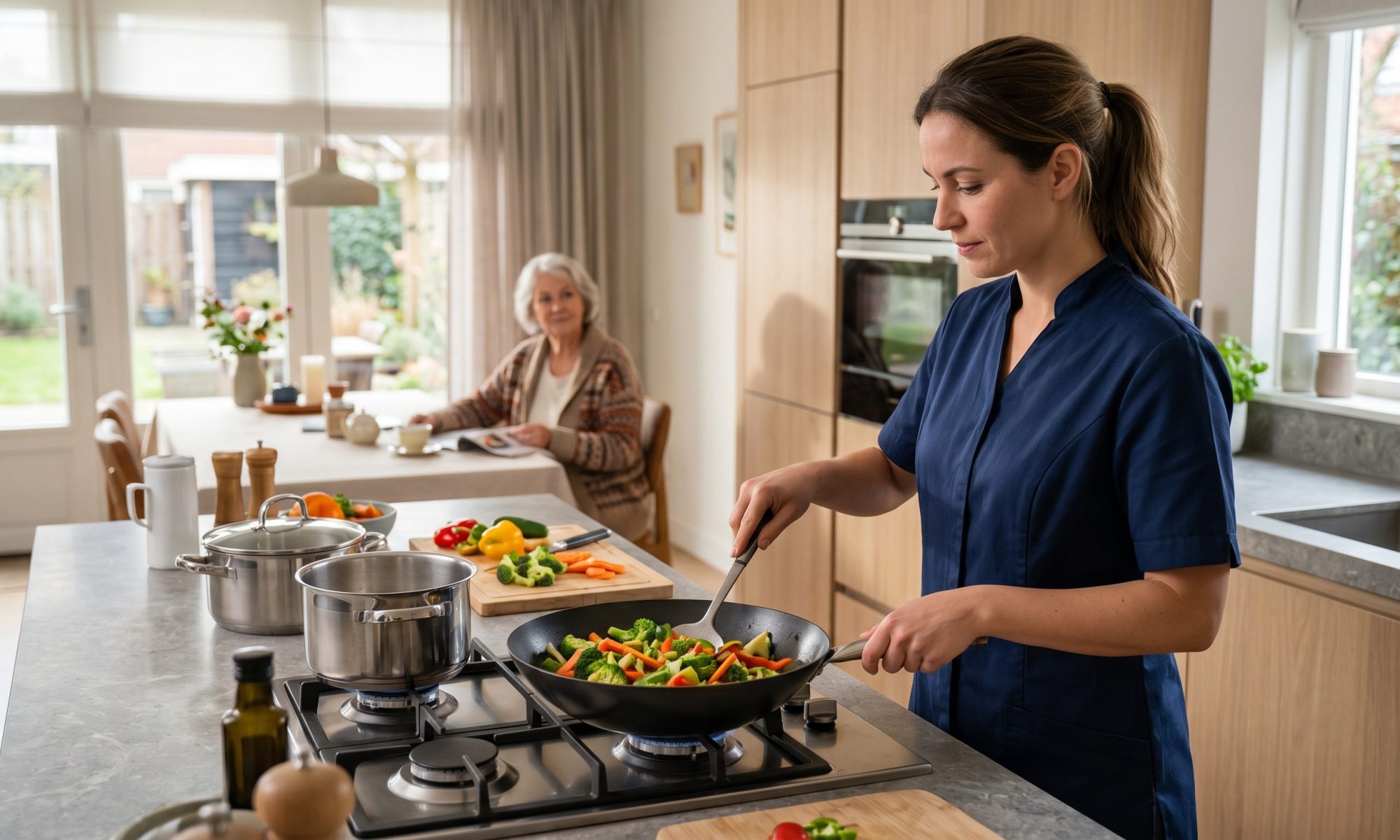
Effectively managing specialized dietary restrictions during senior care at home involves creating customized meal plans that respect your senior loved one’s specific nutritional needs and food allergies. Careful attention to ingredient labels and kitchen preparation methods ensures meals remain safe, nutritious, and enjoyable. You must stay organized and communicative to successfully support your loved one’s daily dietary routine.
How Do You Identify Specific Senior Dietary Needs?
You can identify specific senior dietary needs by reviewing personal food histories and discussing current dietary restrictions directly with your loved one or other family members. Recognizing these requirements early can prevent allergic reactions and ensure daily nutritional targets are consistently met. Important factors to document include:
- Known food allergies (such as peanuts, dairy, or gluten)
- Personal or cultural food preferences
- Texture modifications (like pureed or soft foods)
Some seniors need help preparing nutritious meals and healthy snacks. Not every senior has the same care needs, which means they don’t all need the same type of at-home care in Annapolis. Families can rely on Assisting Hands Home Care to provide individualized care plans to meet their elderly loved ones’ unique care needs. Our caregivers help seniors focus on healthy lifestyle habits such as eating nutritious foods, exercising regularly, and maintaining strong social ties, and we offer mentally stimulating activities that can boost cognitive health and delay the onset of dementia.
What Are the Best Practices for Safe Meal Preparation?
The best practices for safe meal preparation involve strict kitchen hygiene and preventing cross-contamination between different food items. Caregivers preparing meals for seniors with specialized dietary restrictions should use separate cutting boards, utensils, and cookware for allergen-free meals. Additionally, thoroughly washing hands and sanitizing all kitchen surfaces before and after cooking significantly reduces the risk of accidental exposure to restricted ingredients.
Kitchen safety is especially important for seniors living with Alzheimer’s or another form of dementia. Aging in place can present a few challenges for seniors living with dementia. However, with professional dementia home care that offers Annapolis families peace of mind, they can still live independently at home. Families can rely on Assisting Hands Home Care to provide their elderly loved ones with mental and social stimulation, timely medication reminders, assistance with meal prep, and much more. Our caregivers are available around the clock to help your loved one live a happier and healthier life.
How Can Caregivers Create Engaging and Compliant Meal Plans?
Caregivers can create engaging and compliant meal plans by focusing on variety and substituting restricted ingredients with safe, flavorful alternatives. Using a weekly menu template helps you organize grocery shopping and ensures your loved one receives a balanced mix of proteins, vegetables, and carbohydrates. Excellent strategies for keeping meals enjoyable include:
- Using fresh herbs and spices instead of heavy sodium
- Swapping traditional pasta for gluten-free vegetable noodles
- Offering dairy-free milk alternatives like almond or oat milk
For seniors who need ongoing support with nutrition because of chronic health conditions, chronic disease care seniors Annapolis can help with daily routines and other non-medical needs at home.
What Strategies Can Help You Monitor Daily Nutritional Intake?
Monitoring daily nutritional intake requires maintaining a detailed food log that tracks what your loved one consumes during each meal and snack. This documentation allows you to spot trends, such as a sudden decrease in appetite, and adjust portion sizes accordingly. You should also observe hydration levels, ensuring your loved one drinks enough water throughout the day to support overall digestion and physical comfort.
Consider hiring a professional caregiver if you need someone to prepare nutritious meals for your loved one. Living independently is important for seniors who want to maintain a high quality of life. For some, this simply means receiving help with tasks that have become more challenging to manage over time. Even when families have the best intentions, they may not have the time to provide the care their elderly loved ones need and deserve. If your loved one needs help for a few hours a day or a few days a week, reach out to Assisting Hands Home Care, a trusted provider of respite, 24-hour, and overnight home care Annapolis seniors can depend on. Call one of our friendly Care Specialists today to schedule a free consultation
Frequently Asked Questions
How can I make soft foods more appealing for my loved one at home?
+
You can make soft foods more appealing by using vibrant, colorful vegetables and adding natural flavor enhancers like mild spices or nutritional yeast. Serving meals on contrasting dishware can also make the food look more visually stimulating.
What should I do if my loved one refuses to eat a restricted diet?
+
If your loved one refuses his or her restricted diet, try offering smaller, more frequent meals and involving your loved one in the menu-planning process so he or she feels a sense of control. Finding creative, tasty substitutions for favorite restricted foods often encourages better eating habits.
How do I prevent cross-contamination in a shared kitchen?
+
Prevent cross-contamination by designating specific shelves in the pantry and refrigerator exclusively for your loved one’s safe foods. Always use dedicated, thoroughly washed cooking utensils and cutting boards when preparing your loved one’s specific meals.
Are there easy ways to add calories for seniors losing weight?
+
Caregivers can easily add healthy calories by blending healthy fats, such as avocado or nut butters, into smoothies and soups. Drizzling olive oil over vegetables or adding extra protein powder to oatmeal are also highly effective strategies.