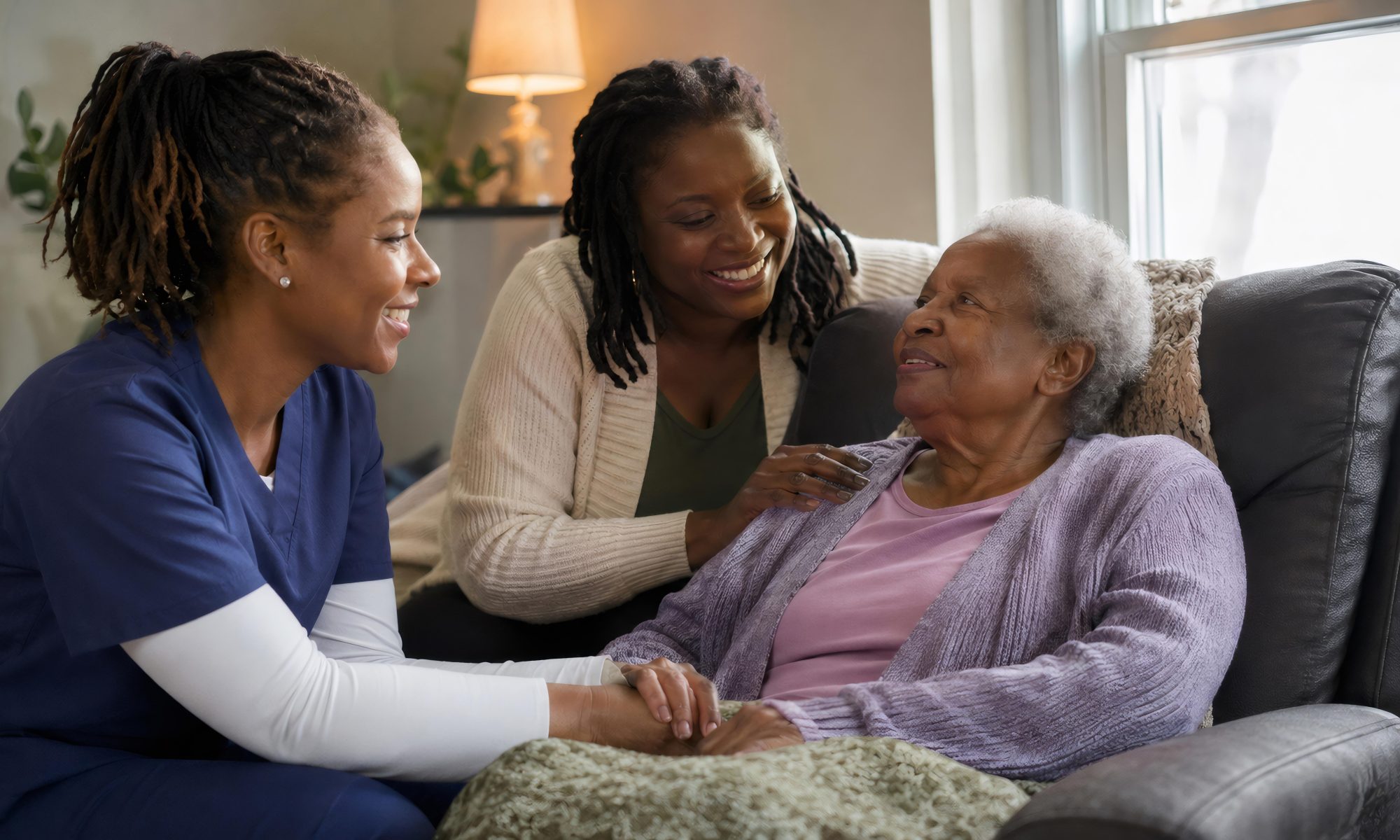
Working effectively with professional in-home dementia caregivers requires clear communication, consistent routines, and a collaborative approach between family members and care professionals to ensure the best possible quality of life for your senior loved one.
The right caregiver can make a profound difference in the daily life of someone living with dementia. Building a strong communicative partnership with that caregiver helps you create a stable, supportive environment where your loved one can thrive.
Professionally trained caregivers can assist seniors with an array of tasks and offer respite for family members. Although it may be challenging to find reliable, highly rated Annapolis homecare, families can turn to Assisting Hands Home Care. Our caregivers are expertly trained to assist seniors with a wide array of important tasks, including cooking, bathing, light housekeeping, and exercise. We are a trusted provider of respite and 24-hour care, and we also offer specialized Alzheimer’s, dementia, Parkinson’s, and stroke care for seniors.
How Do You Establish Clear Communication with a Dementia Caregiver?
Open, ongoing communication is the foundation of effective caregiving partnerships.
- Share detailed background information about your loved one, including his or her daily preferences, personal history, and behavioral patterns.
- Set up regular check-ins—daily notes, weekly calls, or brief in-person meetings—to stay informed.
- Use a shared communication log or caregiving app to track observations, mood changes, and daily highlights.
- Be honest about your concerns and expectations from the start.
What Should You Include in a Caregiving Plan?
A structured caregiving plan removes ambiguity and keeps everyone aligned.
- Document daily routines, including wake times, meals, activities, and bedtime rituals.
- Note preferred foods, comfort objects, and calming strategies.
- List emergency contacts and key preferences for handling difficult moments.
- Update the plan regularly as your loved one’s needs evolve.
How Can You Support the Caregiver’s Role at Home?
Family members play active roles in making a caregiver’s job more effective.
- Maintain a consistent home environment. Familiar layouts and minimized clutter reduce confusion.
- Avoid making significant changes to routines without notifying the caregiver in advance.
- Respect the caregiver’s professional boundaries and trust his or her expertise.
- Offer positive feedback when things go well. Caregiving is demanding work, and acknowledgment matters.
The responsibilities that come with caring for a loved one with dementia can sometimes feel overwhelming, but help is available. Certain age-related conditions can make it more challenging for seniors to age in place safely and comfortably, but 24-hour home care experts are available around the clock to help Annapolis seniors manage their health. Whether your loved one is living with dementia or recovering from a stroke, you can trust the professional caregivers from Assisting Hands Home Care to enhance his or her quality of life. At Assisting Hands Home Care, we take measures to help seniors prevent illness and injury by assisting with exercise and mobility, preparing nutritious meals, helping with bathing and other personal hygiene tasks, and much more.
How Do You Handle Challenges or Conflicts with a Caregiver?
Disagreements may arise, but they can be resolved constructively.
- Address concerns promptly and privately rather than letting issues build up.
- Focus conversations on your loved one’s needs, not personal frustrations.
- Approach the caregiver as a partner, not an employee. Collaborative problem-solving leads to better outcomes.
- If issues persist, involve the caregiving agency or a third-party mediator.
How Can You Foster a Positive Relationship between Your Loved One and the Caregiver?
A trusting bond between a caregiver and a person with dementia takes time, but it’s worth cultivating.
- Introduce the caregiver gradually, starting with shorter visits to build familiarity.
- Share meaningful stories and photos about your loved one to help the caregiver connect on a personal level.
- Encourage activities your loved one enjoys, giving the caregiver tools to engage meaningfully.
- Stay attuned to your loved one’s comfort level and share observations with the caregiver regularly.
Caring for seniors with dementia can be challenging for family caregivers. Luckily, there is high-quality dementia home care available for Annapolis seniors and their families. Professional dementia caregivers help seniors with dementia stay safe and comfortable at home by preventing wandering, providing cognitive stimulation, and assisting with household chores. If your loved one needs professional care, Assisting Hands Home Care is here to help. Call one of our dedicated Care Specialists today to learn about the high quality of our in-home care services.
Frequently Asked Questions
How many hours a day does an in-home dementia caregiver typically work?
+
Hours vary depending on the level of care needed, ranging from a few hours of part-time support to full-time 24-hour care for those in advanced stages of dementia.
What qualifications should a professional in-home dementia caregiver have?
+
Look for caregivers with specialized dementia training, CPR certification, and relevant experience. Many reputable agencies conduct background checks and provide ongoing training for their staff.
How do I know if my loved one’s caregiver is a good fit?
+
Positive signs include a calm, patient demeanor, genuine engagement with your loved one, and consistent, reliable communication with your family.
What should I do if my loved one resists care from the caregiver?
+
Resistance is common in dementia care. Share known triggers and preferences with the caregiver, and consider adjusting the timing or approach of care routines to reduce stress.
Can I be present during caregiving sessions?
+
Yes, especially during the early stages of a new caregiving relationship. Being present can ease your loved one’s anxiety and help you observe how care is delivered firsthand.